Puzzle Game Hybrid High Fit
MONOMOON review
An inventive puzzle Metroidvania where your understanding of the rules, not new abilities, opens up a compact, secret-packed world. A few obscure clues and some tedious late-game puzzles are the only blemishes.
Excellent
out of 5
Reviewed
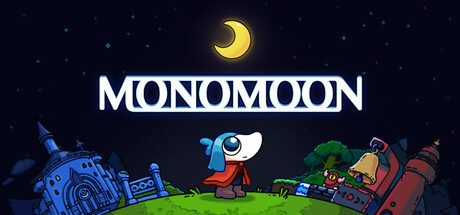
There is a particular kind of excitement that comes from discovering a game’s mechanic completely by accident. No tutorial, no achievement notification explaining its significance, just a sudden realization that something you’ve been looking at for hours works differently than you imagined. Monomoon, an independently developed puzzle adventure from Gentle Giant, builds practically its entire identity around these moments. It takes inspiration from Animal Well, Tunic, Fez and Outer Wilds without becoming a simple imitation of any of them, and its mix of traditional platforming, point-and-click interactions and knowledge-based progression creates a wonderfully peculiar adventure that repeatedly challenges your understanding of its deceptively small world. A few obscure clues and some late-game repetition keep it from being flawless, but it’s one of the most compelling puzzle adventures of 2026.
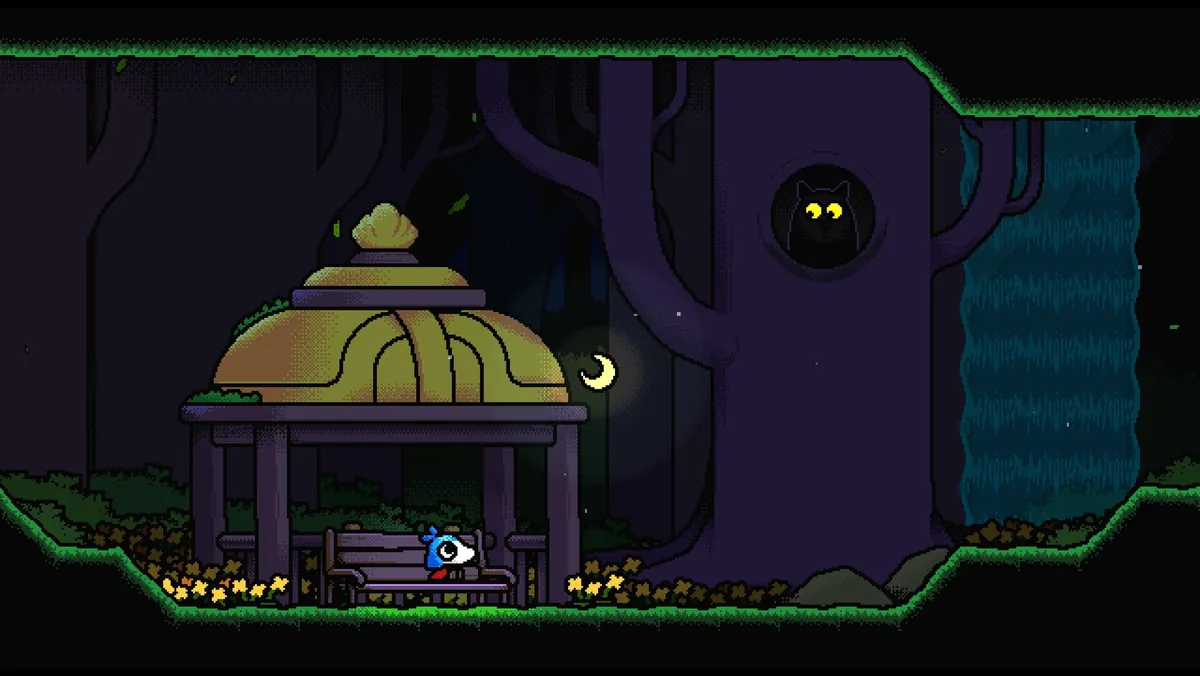
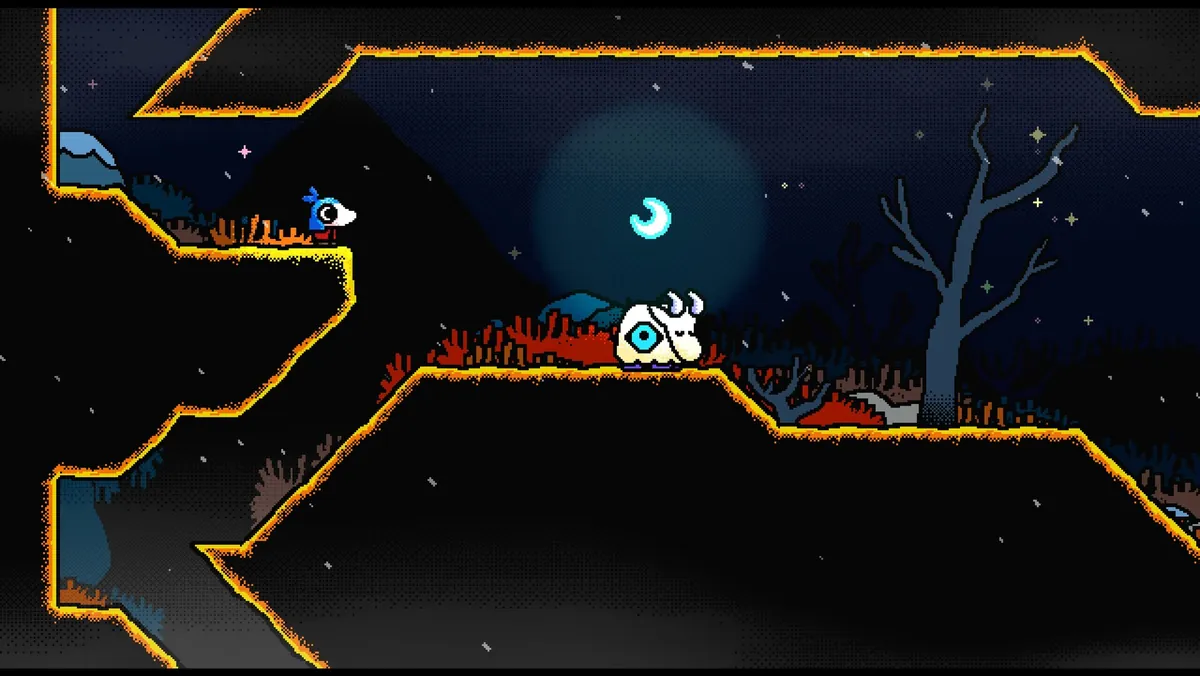
The central mechanic is surprisingly inventive. You control a small character with the keyboard, while your mouse independently controls a miniature moon that can interact with the environment. What initially appears to be little more than a magical cursor gradually reveals itself as an incredibly versatile tool. Because your character’s position and your ability to manipulate your surroundings are no longer tied together, you can investigate objects from a distance, interact with mysterious creatures, work mechanisms and light up parts of the environment while you navigate obstacles.
Monomoon extracts an impressive amount of variety from this relatively simple idea. Instead of constantly introducing disposable puzzle mechanics, Gentle Giant explores unexpected applications of existing ones, so the difficulty comes primarily from understanding what’s possible rather than mastering complicated controls. There are no enemies to fight, no elaborate combat systems and no demanding boss encounters, and platforming is mostly a means of getting around the world, which leaves the puzzles as the main attraction.
What fascinates me most about Monomoon is its approach to progression. In a conventional Metroidvania, an inaccessible passage usually means you need another ability. Here, the obstacle is frequently your own incomplete understanding of the game’s rules. Discovering a previously unknown interaction can change the significance of several locations at once: a seemingly impossible room suddenly becomes manageable, and something you dismissed as background decoration might deserve another look. The world hasn’t changed. You have. It makes for a particularly satisfying kind of backtracking, because returning to familiar territory doesn’t mean repeating old gameplay. The interconnected map is compact enough to encourage experimentation without making every excursion exhausting, and plenty of fast travel keeps things moving, especially when you abandon a difficult puzzle to investigate another area.
Gentle Giant also deserves credit for how it communicates information. Pages of an illustrated tome, environmental murals, mysterious symbols and creature behavior all add to your understanding of the world. Occasionally you’ll work out a mechanic before you find its explanation, which makes the corresponding clue feel like confirmation of your ingenuity rather than another tutorial. The in-game book and map feel like functional parts of the adventure rather than conventional menu screens, and in a game this obsessed with hiding possibilities in unexpected places, even the interface deserves your attention.
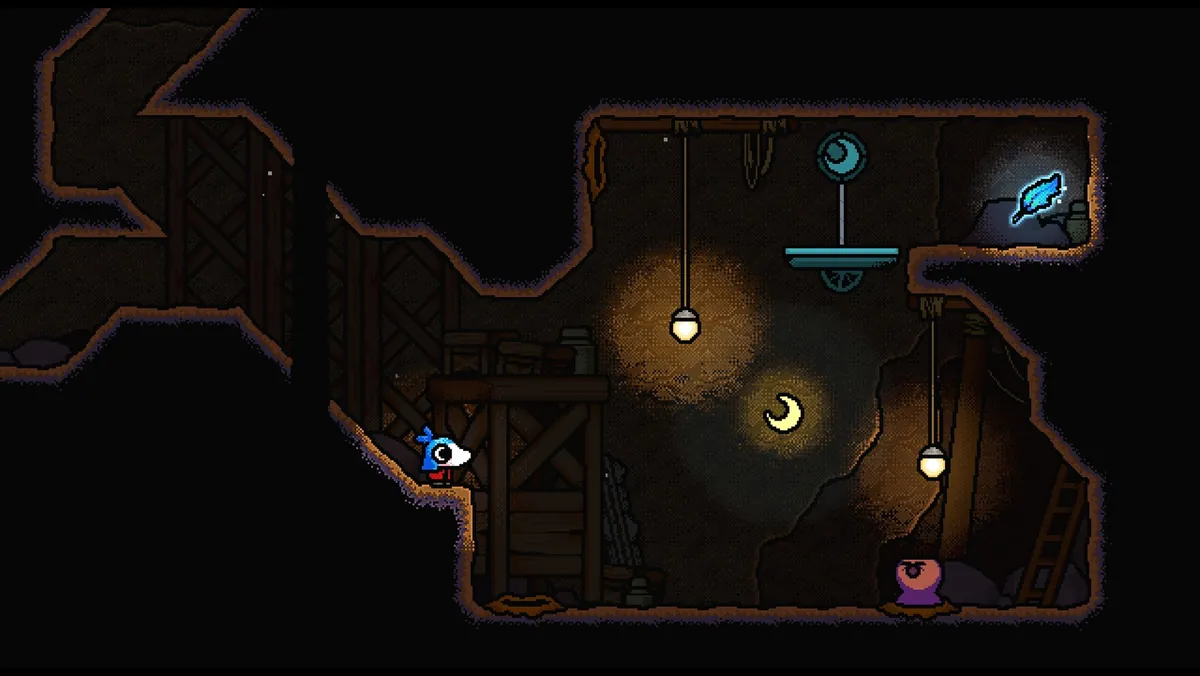
The puzzles range from relatively straightforward environmental challenges to elaborate mysteries involving numerical symbols, obscure connections and information gathered across multiple locations, so bring a notebook. The fictional number system is a particularly appealing inclusion for anyone who enjoys deciphering unfamiliar languages and codes, and translating the world’s written language adds context to its mythology as well as to certain clues.
This is also where Monomoon occasionally becomes more demanding than enjoyable. Some late-game puzzles require considerable repetition to test a theory, and finding out that an apparently logical solution is wrong gets frustrating when reaching the relevant spot takes substantial effort. There’s an important difference between making a puzzle difficult to understand and making its solution difficult to execute. Monomoon generally respects that difference, but its more elaborate optional challenges occasionally blur the line. Certain interactions could also use more consistent environmental hints. When progress depends on knowledge, overlooking one seemingly insignificant detail can leave you wondering whether you’re missing an item, misunderstanding a mechanic or simply approaching the wrong puzzle. Fortunately, the nonlinear structure means there’s usually another mystery worth investigating.
The credits aren’t the finish line, either. The main adventure takes around ten hours, but Monomoon becomes considerably more ambitious beyond its first conclusion, and uncovering everything can reasonably take twenty to thirty hours, depending on your puzzle-solving experience. Interestingly, the opening hours are arguably the least distinctive part. Players familiar with Animal Well or Tunic will recognize several of its design philosophies, and Monomoon grows far more confident once it starts combining its own mechanics in unconventional ways. Its mysteries are also designed to be solvable by a single player. You don’t need an online community analyzing external websites, obscure files or information that doesn’t exist in the game itself, which makes Monomoon particularly suitable for anyone who enjoyed the main adventure in Animal Well but found its deeper secrets exhausting.
The pixel art strikes a lovely balance between visual simplicity and atmosphere. Restrained lighting, delicate animations, unusual creatures and distinct environments give the world a personality that extends beyond its puzzles. The soundtrack is similarly thoughtful: each region has its own musical identity, and quieter stretches give you room to contemplate a particularly challenging discovery. Sound effects provide useful feedback when you interact with the environment, which matters enormously in a game built on experimentation. The result is a remarkably peaceful adventure despite its demanding puzzles. Monomoon can be intellectually exhausting without becoming emotionally exhausting. Controller support is available, but keyboard and mouse remain the better option, since moving the moon independently feels naturally suited to a mouse, particularly during more precise sequences.
Monomoon is an exceptional example of how much depth an independent developer can create without an enormous world or an endless collection of gameplay systems. Its clever central mechanic, interconnected puzzles, atmospheric presentation and unusually substantial post-game make it excellent value, and its occasional obscurity and late-game repetition rarely diminish the satisfaction of discovering another hidden possibility. My strongest recommendation is to go in knowing as little as possible. The greatest rewards are the things you can’t anticipate, and you only get to discover them for the first time once.
Screenshots
Images: Steam store page ↗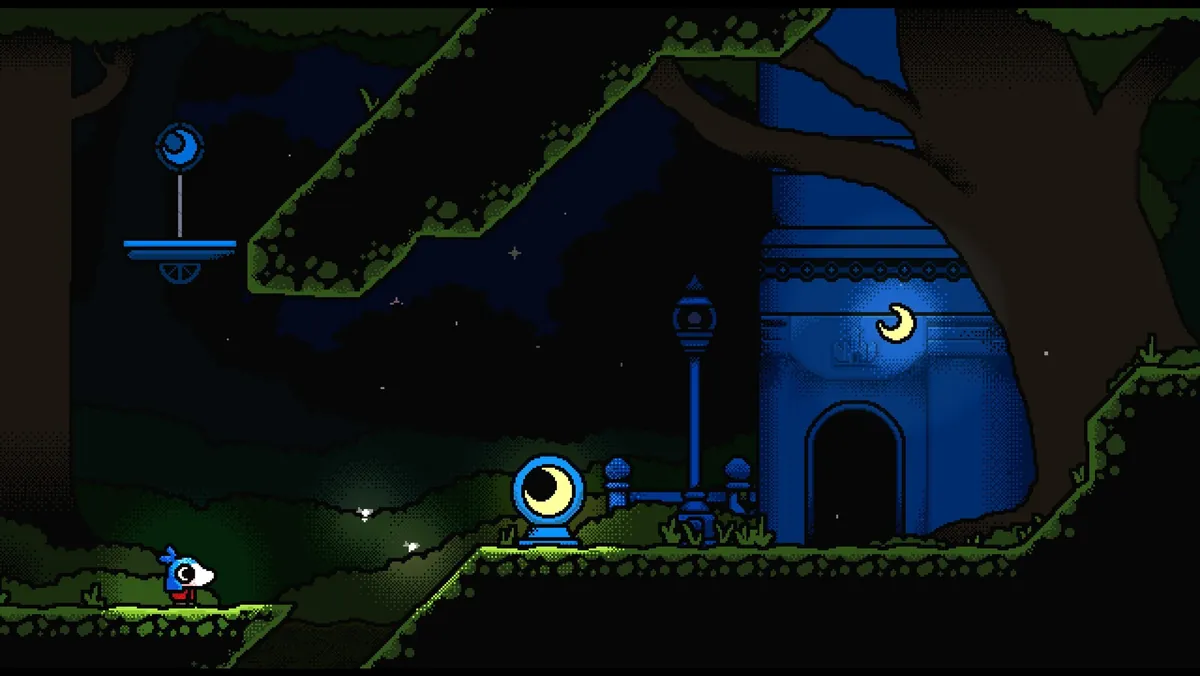
Difficulty
How hard is MONOMOON?
Moderately. MONOMOON scores 47/100 on our difficulty scale (#134 of 209). Some tough moments, but steady progress for most players.
- Our review: rated medium difficulty.
- Not enough Steam player reviews to compare, so the player half is estimated from games our review rated the same way.
Final verdict
MONOMOON
An inventive puzzle Metroidvania where your understanding of the rules, not new abilities, opens up a compact, secret-packed world. A few obscure clues and some tedious late-game puzzles are the only blemishes.
Metroidvania breakdown
Combat
2/5There is no combat: no enemies, no combat systems and no boss fights, which leaves the puzzles as the main attraction
Platforming
3/5Platforming is mostly a way of getting around the world rather than a challenge in itself
Exploration
5/5A compact, interconnected map where every new piece of knowledge changes what familiar rooms mean, with plenty of fast travel to keep backtracking quick
Puzzle
4.5/5Inventive puzzles built on the moon and a fictional number system, worth keeping notes for. Some late-game ones involve tedious repetition and clues that are too faint
Story
3.5/5Murals, an illustrated tome and a written language you can translate gradually fill in the world’s mythology
Graphics
4.5/5Lovely pixel art with restrained lighting, delicate animations and unusual creatures that give the world a personality beyond its puzzles
Music
4.5/5Each region has its own musical identity, and sound effects give useful feedback in a game built on experimentation
Replayability
4.5/5The credits aren’t the end: uncovering every layer of secrets takes 20–30 hours, and all of it can be solved within the game itself
Review by Alex. MONOMOON was played on Steam.
For developers & pressQuote, score badge, award laurels for MONOMOON
Pull quote
“An inventive puzzle Metroidvania where your understanding of the rules, not new abilities, opens up a compact, secret-packed world. A few obscure clues and some tedious late-game puzzles are the only blemishes.”
Badges
 Score badgePNG
 Laurel, white (for dark backgrounds and trailers)PNG
 Laurel, dark (for light backgrounds)PNG
PNGs are 2× resolution for sharp display; the HTML embeds them at their natural size.
Free to use on your website, press kit, store page or trailer — no need to ask. A link back to this review is appreciated; please don't edit the score or the quote. More for developers & press →
If you liked MONOMOON
All reviews →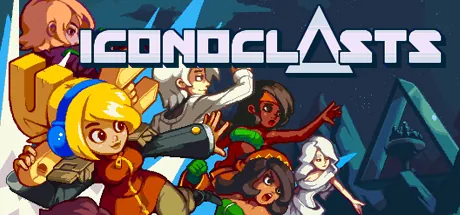
Iconoclasts
If you enjoy JRPG Style storytelling in conjunction with deeply philosophical themes, as well as spatial reasoning puzzles and intense combat, this may be your best Metroidvania ever.
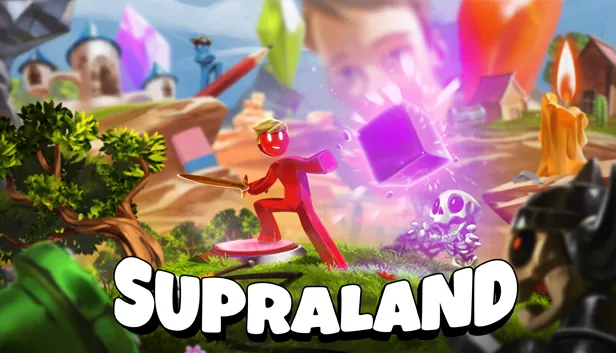
Supraland
Takes the First Person Puzzle Game genre pioneered by Portal and enhances it with Metroidvania tropes in a magnificent display of masterful game design. Do not let this one pass you by.

Headlander
A fun puzzle platformer novelty that sets itself apart from the competition with Double Fine's usual bizarre world building.